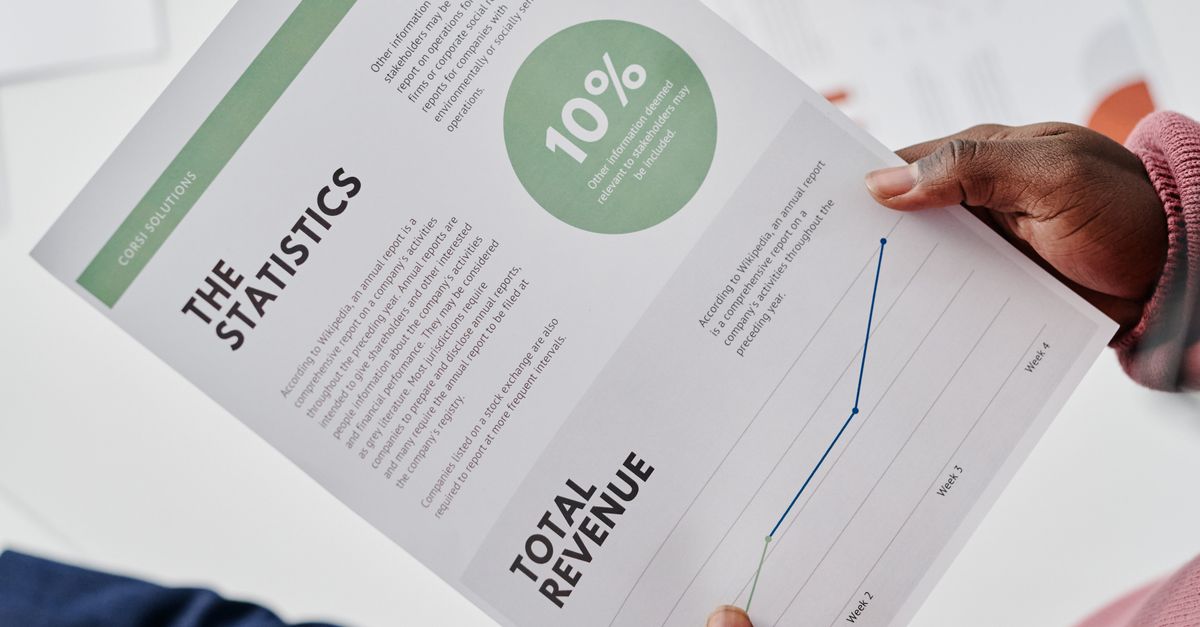

Despite numerous internal and external pressures, the U.S. economy continues to demonstrate strength, surprising analysts who have predicted downturns that have yet to fully materialize.
During the last few years, the economy of the United States has faced numerous challenges, ranging from worldwide health emergencies and geopolitical tensions to ongoing inflation, supply chain issues, and political disputes that have affected investor confidence. Nevertheless, despite these challenges, the economy has consistently demonstrated its strength, showing growth in situations where it was expected to stumble. This continuous performance has stirred discussions among economists, government officials, and business leaders regarding the fundamental factors that sustain economic stability in the USA.
The impact of worldwide challenges and national instabilities
When the pandemic first spread across the globe, most forecasts assumed the U.S. economy would experience prolonged damage. However, aggressive fiscal stimulus, swift adaptation by businesses, and innovative shifts in consumer behavior helped cushion the blow. While other nations faced longer recessions, the United States managed to rebound more quickly, surprising even seasoned financial experts.
As inflation became the next dominant concern, the Federal Reserve raised interest rates at a pace not seen in decades. Many feared such measures would slow economic activity dramatically or lead to widespread job losses. Instead, while certain sectors cooled, overall employment remained strong, and wages continued to rise in several industries. This combination of tight labor markets and consumer spending power defied traditional expectations about how an economy should react under these conditions.
Moreover, international conflicts and trade disputes added another layer of strain, particularly in energy markets and agricultural exports. Yet the U.S. economy adapted, diversifying its supply chains and leaning on domestic production where possible. While price fluctuations did create hardship for households and businesses, the broader economy sustained forward momentum.
Consumer confidence and business adaptability
An unmistakable sign of strength has been the ongoing trust shown by U.S. consumers. Even though news outlets have cautioned about possible declines, individuals have continued their purchasing patterns, especially in sectors like tourism, leisure, and shopping. This expenditure, albeit moderated by increased costs, has sustained robust demand and encouraged companies to persist in investing in operations and growth.
American corporations have shown an impressive ability to adjust. Through digital evolution, remote work adoption, or optimized logistics, companies have reorganized themselves to overcome obstacles. Numerous businesses, especially those that are small and medium-sized, have discovered creative methods to reduce expenses while satisfying client demands. This entrepreneurial flexibility has been crucial in mitigating economic impacts that could have otherwise resulted in a downturn.
Another factor is the ongoing influx of technology-driven industries and startups. Fields like artificial intelligence, renewable energy, and biotechnology have fueled job creation and investment opportunities, counterbalancing weaknesses in more traditional sectors. These growth engines not only contribute to current stability but also point toward long-term economic transformation that could further insulate the country from future crises.
The ongoing debate about sustainability
While the durability of the U.S. economy is evident, questions remain about how long this resilience can last. Critics argue that high levels of government debt, persistent inflation, and widening inequality could eventually erode the foundation of stability. Others point to the potential for global financial shocks, environmental challenges, or new geopolitical conflicts to test the limits of the system once again.
Nevertheless, proponents argue that throughout its history, the American economy has demonstrated resilience in overcoming challenges, often coming out more robust following times of upheaval. They underscore the importance of creativity, consumer resilience, and institutional flexibility as fundamental elements that propel advancement, even during unpredictable periods.
The truth likely lies somewhere in the balance between these perspectives. While risks are undeniable, so too are the opportunities for continued growth and reinvention. What sets the United States apart is not the absence of challenges, but its capacity to absorb them and find new pathways forward.
In the end, the story of America’s economy is less about invincibility and more about resilience. Each trial underscores the interplay between risk and adaptability, between hardship and opportunity. And as long as these dynamics remain in motion, predictions of collapse may continue to be proven premature.