
Anxiety, a pervasive mental health concern globally, can range from mild unease to overwhelming panic. With nearly 301 million individuals experiencing anxiety disorders according to the World Health Organization, the demand for evidence-based anxiety management techniques has never been more urgent. Exploring diverse, practical strategies is crucial for both short-term relief and sustainable mental well-being.
Cognitive-Behavioral Techniques
Cognitive-behavioral therapy (CBT) stands as one of the most rigorously validated interventions for anxiety. Central to this approach is cognitive restructuring: identifying and reframing irrational fears. For example, a person convinced that public speaking will lead to humiliation can learn to challenge these thoughts—“What evidence supports this belief?”—and gradually replace catastrophic predictions with more realistic assessments.
Therapy involving exposure, a type within CBT, promotes slowly facing feared situations. By methodically confronting anxiety-provoking situations in a safe setting, the level of fear reduces over time. Research indicates that when people with social anxiety engage in brief, organized dialogues with unfamiliar people, symptoms of anxiety frequently lessen after repeated encounters.
Approaches to Mindfulness and Relaxation
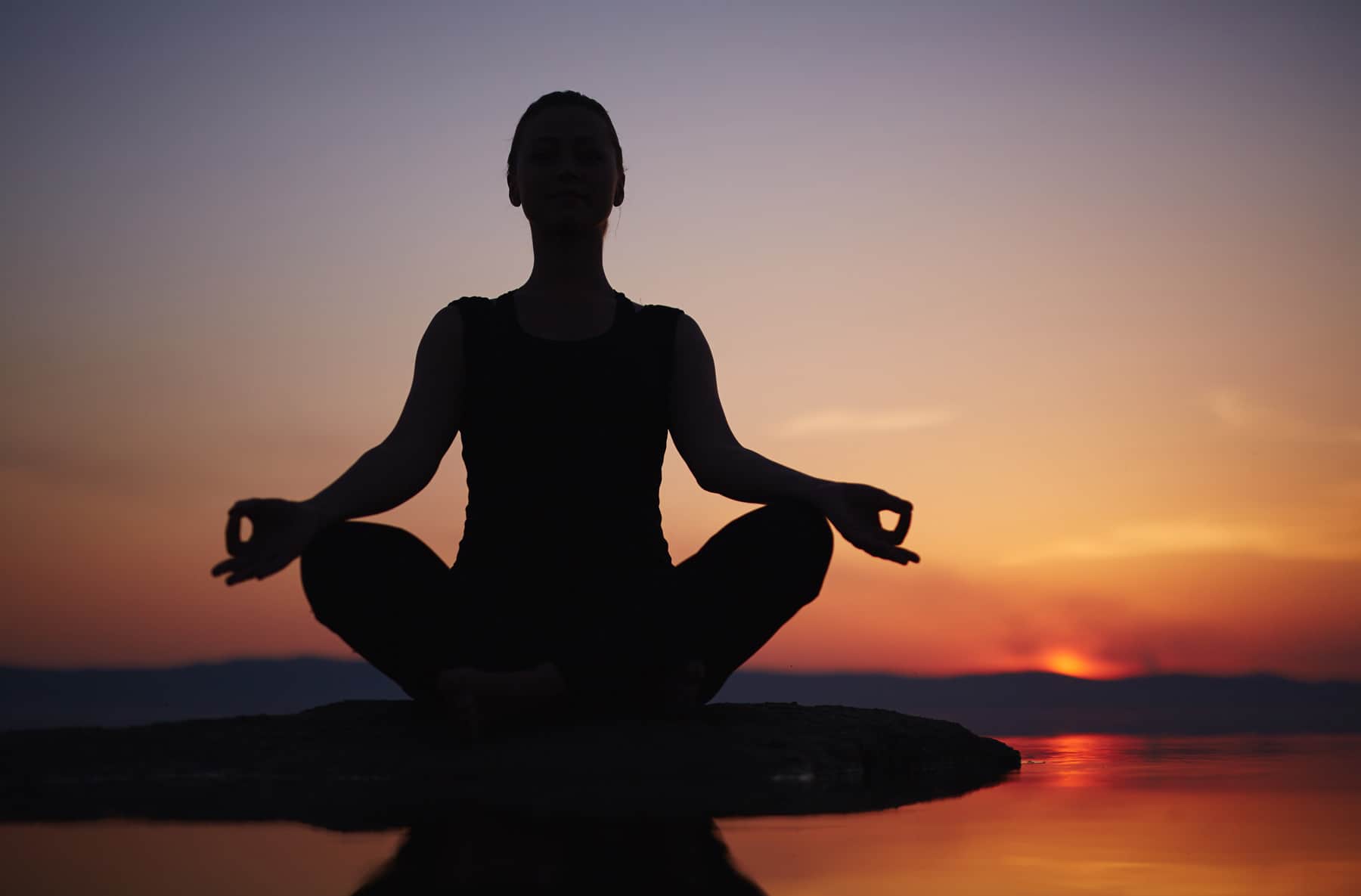
Mindfulness cultivates a nonjudgmental awareness of the present moment. This practice, rooted in meditation traditions but adapted for modern clinical use, helps individuals disengage from cycles of worry. A study published in JAMA Psychiatry revealed that participants practicing daily mindfulness meditation reported significantly reduced anxiety scores over an eight-week period compared to control groups.
Deep breathing exercises activate the parasympathetic nervous system, lowering physiological arousal. The 4-7-8 technique—inhaling for four seconds, holding for seven, and exhaling for eight—demonstrates measurable reductions in heart rate and stress. Progressive muscle relaxation, wherein muscle groups are systematically tensed and released, has similarly shown efficacy, particularly among individuals with generalized anxiety disorder.
Changes in Lifestyle
Lifestyle plays a pivotal role in anxiety modulation. Physical activity, such as aerobic exercise, induces endorphin release and enhances mood stabilization. Meta-analyses confirm that those who engage in three to five sessions of moderate exercise weekly report less anxiety compared to sedentary peers. Additionally, regular sleep hygiene promotes emotional regulation. Practices include maintaining consistent bedtimes, minimizing blue light exposure, and establishing wind-down routines.
Dietary habits also influence anxiety levels. Research connects diets rich in refined sugars and caffeine with heightened anxiety symptoms. Prioritizing a balanced consumption of whole grains, omega-3 fatty acids, and leafy green vegetables might promote neurochemical balance, aiding in stress resilience.
Social and Professional Support
Isolation often exacerbates anxiety. Reaching out to trusted individuals—friends, family, or support groups—provides emotional validation and coping ideas. Structured group therapy has shown not only to decrease self-reported anxiety but also to improve interpersonal confidence.
When symptoms become unmanageable or persist beyond self-help measures, professional intervention becomes essential. Licensed therapists offer individualized treatments such as acceptance and commitment therapy, trauma-focused modalities, or pharmacological support when warranted. For instance, selective serotonin reuptake inhibitors (SSRIs) are frequently prescribed, with large clinical trials demonstrating their effectiveness for both acute and chronic anxiety disorders.
Online Instruments and Therapeutic Advances
The digital era has expanded access to therapeutic resources. Mobile apps offering guided meditation, cognitive exercises, and mood tracking bring evidence-based anxiety relief to users’ fingertips. Platforms such as Headspace and Calm report high engagement rates among users with moderate anxiety symptoms, especially when combined with traditional care.
Therapeutic applications of virtual reality offer deep immersive experiences—individuals with phobias can, for instance, face anxiety-inducing situations in a secure digital setting, demonstrating a notable decrease in avoidance behaviors gradually.
From Techniques to Transformation
The journey from worry to stability is a deeply individual one. For some, specific methods offer solace, while a comprehensive and flexible strategy usually brings the best results. Combining mental, behavioral, physical, social, and technological methods enables people to build a versatile set of tools suited to various life situations. As scientific studies progress and the societal views on mental health improve, taking an active role in anxiety management can help individuals not just handle stress but thrive, facing unknowns with increased assurance and calmness.

.jpg "Centro de lactancia en Guatemala")