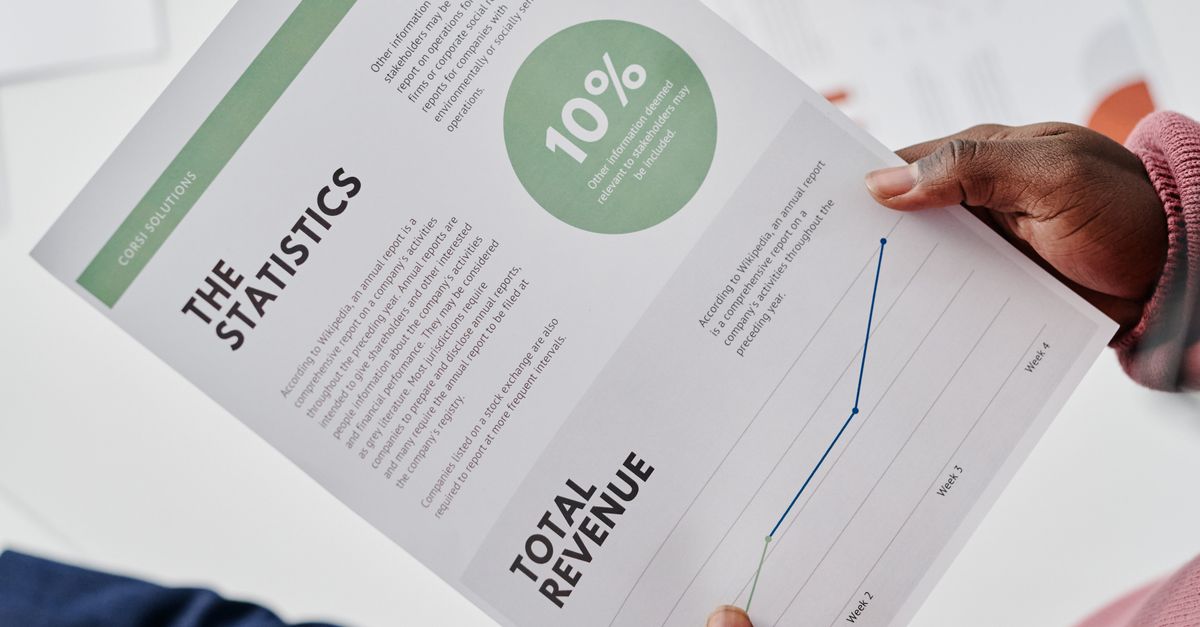

Effective financial management begins with understanding where your money comes from and where it goes. Tracking income and expenses is often viewed as a fundamental practice for individuals, families, and businesses alike. But beyond this foundational status, there are numerous specific benefits—ranging from psychological to practical—that make this habit essential for anyone aiming to achieve financial stability and growth.
Enhanced Financial Understanding and Control
One of the primary benefits of monitoring earnings and expenditures is an enhanced comprehension of one’s financial standing. Through the meticulous documentation of every revenue stream and every outgoing cost, individuals acquire a detailed insight into their monetary movements. This heightened understanding inherently fosters superior command over fiscal choices. For example, an individual who keeps tabs on their monthly outlays might observe that minor, routine acquisitions like beverages or light refreshments collectively amount to a substantial figure over a period. Armed with this information, they are enabled to make deliberate determinations regarding non-essential spending.
Businesses particularly benefit from this awareness by identifying profitable activities, streamlining operations, and reallocating resources for better returns. According to a 2023 survey by the Association for Financial Professionals, organizations that consistently track financial metrics are 37% more likely to achieve their growth objectives compared to those with no structured tracking method.
Enhanced Financial Planning Capabilities
Tracking income and expenses lays the groundwork for creating realistic and effective budgets. A budget built on actual data reflects true spending habits and income patterns, leading to higher adherence rates and less frustration. For example, someone who tracks expenses for three months before creating a budget may realize that utility bills are higher in certain periods, allowing them to allocate funds more precisely and avoid shortfalls.
For business owners, this data-driven approach can pinpoint which divisions or offerings consume excessive resources and which yield profits, facilitating more precise predictions and judicious capital allocation. In individual financial management, this method is fundamental for accumulating funds for objectives like emergency reserves, holidays, or property acquisition.
Reduced Stress and Improved Mental Health
Economic instability stands as a primary contributor to global anxiety. A 2022 investigation by the American Psychological Association revealed that more than 60% of adults cited finances as a major source of tension. Through diligent monitoring of monetary exchanges, people cultivate a feeling of achievement and security, enabling them to foresee and prepare for future commitments. This foresight can lead to superior sleep quality, stronger interpersonal connections, and a generally elevated state of well-being.
Disputes regarding finances are a common occurrence for both couples and families. When everyone involved can view clear records of earnings and expenditures, confusion decreases, and teamwork improves. Shared monitoring transforms financial strategizing from a source of conflict into a collaborative endeavor.
Enabling Objective Attainment
A key benefit of meticulous financial oversight is its capacity to facilitate the realization of both short-term and long-term aspirations. Whether the goal involves eliminating liabilities, building a retirement nest egg, purchasing an automobile, or expanding a business, continuous tracking offers a method to evaluate progress at every juncture. Data collected through precise record-keeping can be employed to evaluate strategies, adjust timelines, and celebrate important milestones.
Consider a scenario where a small enterprise seeks to boost its profit margins by 20% within a twelve-month period. By meticulously monitoring its operations, the proprietor can identify the quarters that are most detrimental to its financial health and pinpoint expenditures that are not crucial. This data-driven methodology renders the journey towards achieving the objective both clear and executable.
Enhanced Savings Prospects
People who consistently monitor their financial standing uncover more opportunities to save money. Common patterns often emerge, such as subscriptions that are no longer utilized, duplicate services, or extravagant spending habits. Reviewing a monthly spending log might reveal multiple streaming services providing comparable content, prompting the individual to cancel unnecessary subscriptions.
Banks and fintech companies have capitalized on this insight by offering digital tools that automatically categorize and analyze spending. These resources help users uncover hidden charges, negotiate lower rates on recurring bills, and redirect funds to higher-yield savings accounts.
Getting Ready for Tax Adherence and Examinations
Thorough record-keeping simplifies the task of compiling tax paperwork and minimizes the chances of mistakes, oversights, or overlooked tax breaks. For independent contractors, entrepreneurs, and property owners, meticulous documentation of earnings and eligible expenditures is essential for proving adherence during financial reviews. The Internal Revenue Service (IRS) projects that taxpayers who maintain precise records dedicate 40% less effort to completing their declarations and are less prone to incurring expensive fines.
On a personal level, having each charitable donation, medical bill, and work-related expense neatly categorized prevents last-minute scrambling when tax season arrives. This careful preparation can result in significant tax savings and reduce anxiety related to complex returns.
Building Creditworthiness and Attracting Investment
Creditors and financiers require evidence of responsible financial management before providing loans or investments. Well-kept and comprehensively documented financial statements demonstrate responsibility and transparency. For an individual applying for a mortgage, the capacity to easily provide a record of timely payments, prudent spending, and steady savings can result in better lending terms.
For nascent businesses and smaller firms, providing investors with detailed breakdowns of income streams and expenditures enhances their credibility and builds trust. A 2021 PitchBook report indicated that 68% of angel investors consider meticulous expense documentation a crucial component of their due diligence.
Rapid Identification of Misinformation or Errors
Regularly reviewing income and outflows allows for quick detection of unauthorized transactions, billing errors, or fraudulent activities. The sooner such issues are identified, the easier it is to resolve them without financial harm. Case studies from leading banks like JP Morgan and Wells Fargo highlight that customers who check their transaction logs weekly are twice as likely to detect and report fraudulent activities early.
Adapting to Economic Fluctuations
Economic instability—be it from rising prices, unemployment, or market shifts—demands quick financial adjustments. Both individuals and companies that monitor their revenue and expenditures are better prepared to react. With a clear understanding of all inflows and outflows, decisions can be made rapidly and effectively to protect resources and ensure steadiness.
Tracking income and expenses transforms abstract numbers into actionable knowledge. It empowers users to make informed choices, facilitates achievement of goals, reduces stress, enhances borrowing prospects, and provides protection against financial mishaps. Each transaction recorded is a building block toward a more secure and adaptable financial future, embodying the principle that attention to detail establishes the foundation for lasting success.