
Our website uses cookies to improve and personalize your experience and to display advertisements (if any). Our website may also include third-party cookies such as Google Adsense, Google Analytics, and YouTube. By using the website, you agree to the use of cookies. We have updated our Privacy Policy. Click the button to view our Privacy Policy.

Avatar photo

Nuria Castañeda

62 Posts
Evaluating property types for investment in Cap Cana in 2026

Evaluating property types for investment in Cap Cana in 2026

Cap Cana heads into 2026 with a combination of factors that is catching the attention of those watching the real estate market: tourism, new projects, residential communities, and a range of properties that spans from apartments to villas and land. Given this landscape, a logical question arises for buyers and investors: Is 2026 a good time to invest in Cap Cana? The answer does not depend on a single indicator, but rather on factors such as location, property type, rental demand, costs, and the purpose of the investment.For Inversiones AIDES, grasping these distinctions is a key part of evaluating the…
Read More
How agriculture reduced famine and boosted global population numbers

How agriculture reduced famine and boosted global population numbers

Introduction: Agriculture as the Engine of Human ExpansionFor the vast majority of human history, the worldwide population stayed under one billion, though today it surpasses eight billion. This striking growth was far from accidental; rather, it was driven by a series of agricultural advancements that boosted food yields, curbed starvation, enhanced nutrition, and fueled urban expansion. Every single milestone substantially multiplied the Earth's carrying capacity. Below are fifteen farming breakthroughs that profoundly transformed the trajectory of humanity.1. The Domestication of PlantsAround 10,000 years ago, mankind initiated the selective cultivation of wild grasses like wheat and barley within the Fertile Crescent,…
Read More
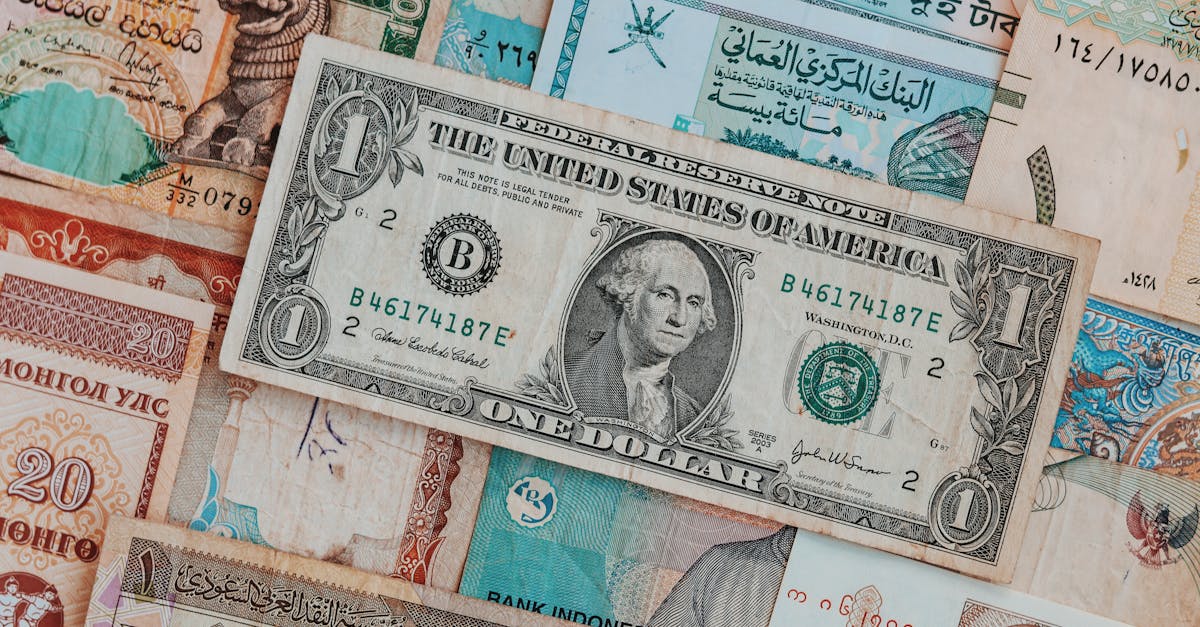
How historic trade corridors shaped global economic integration

How historic trade corridors shaped global economic integration

Introduction: How Trade Routes Shaped the Modern WorldGlobalization did not begin in the twentieth century. It was built over millennia by merchants, sailors, caravan leaders, and financiers who connected distant regions through vast trade networks. These routes moved not only goods, but also ideas, technologies, religions, diseases, and financial systems. The modern global economy—with its supply chains, trade agreements, and interconnected markets—rests on foundations laid by historic trade corridors.Below are ten trade routes that fundamentally shaped the global economy, transforming regional exchange into worldwide integration.1. The Silk RoadSpanning more than 4,000 miles between East Asia and the Mediterranean, the Silk…
Read More
Bill Gates stresses AI could concentrate power dangerously

Bill Gates stresses AI could concentrate power dangerously

Artificial intelligence could become one of humanity’s most powerful tools, but Bill Gates believes its benefits are not guaranteed. Without effective safeguards, he warns, the technology could deepen inequality, eliminate jobs and create risks that society is not yet prepared to confront.Bill Gates has delivered one of his most forceful alerts to date concerning the trajectory of artificial intelligence, asserting that the swift growth of progressively stronger AI platforms demands immediate boundaries and enhanced public regulation. The Microsoft co-founder remains convinced that the innovation holds the capacity to uplift lives worldwide, yet he equally worries that its detrimental outcomes might…
Read More
The 12 most harmful oil spills and their lasting public health impact

The 12 most harmful oil spills and their lasting public health impact

Introduction: The Global Cost of Oil SpillsOil spills rank among the most destructive human-made environmental disasters. Whether caused by tanker accidents, offshore drilling failures, pipeline ruptures, or acts of war, large-scale oil spills devastate marine ecosystems, damage coastal economies, and leave long-term public health consequences. Millions of barrels of crude oil and refined petroleum products have entered oceans, rivers, and wetlands over the past century, reshaping environmental regulation and energy policy worldwide.Below are twelve of the most devastating oil spills in history, measured by volume released, ecological damage, economic impact, and long-term consequences.1. Gulf War Oil Spill (1991)Estimated spill: 6–8…
Read More
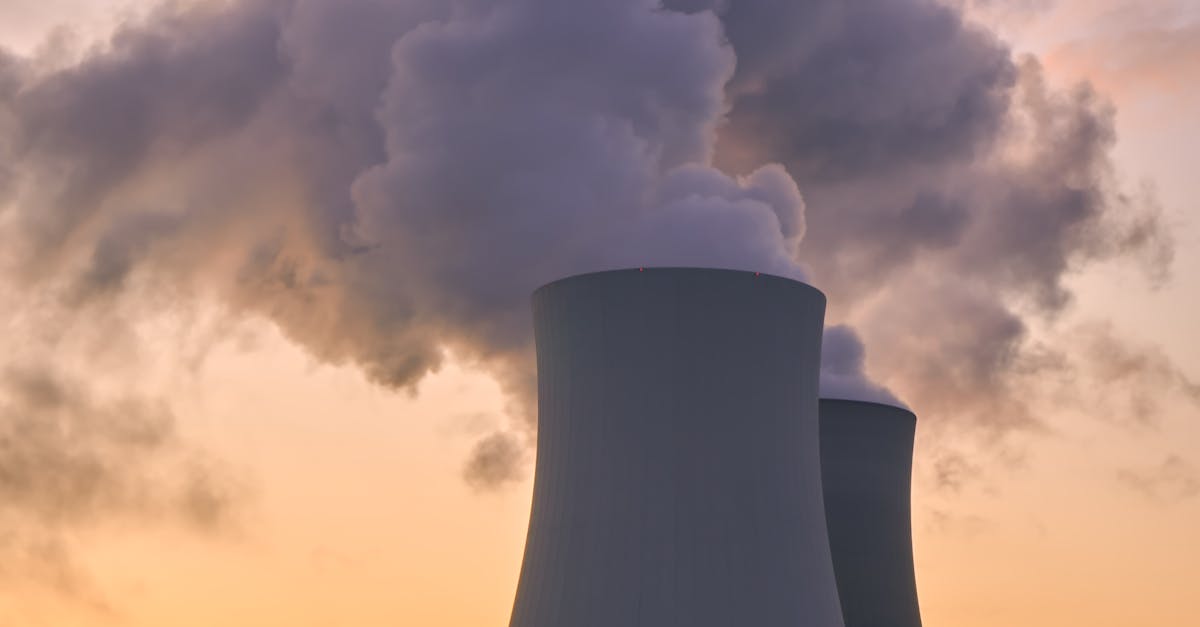
How nuclear disasters have shaped societies for decades

How nuclear disasters have shaped societies for decades

Introduction: Nuclear Technology and Social RiskNuclear energy and weapons programs have shaped modern history with promises of progress and security. Yet when failures occur, their consequences extend far beyond radiation exposure. Nuclear disasters disrupt economies, fracture communities, alter public policy, and reshape global politics for generations. The following eight events reveal how technological breakdowns translate into long-term social consequences that persist decades after the initial explosions, meltdowns, or contamination.1. Hiroshima, Japan (1945)On August 6, 1945, the atomic bombing of Hiroshima resulted in approximately 140,000 fatalities by the conclusion of that year. Following the immediate devastation, long-term health consequences—such as leukemia,…
Read More