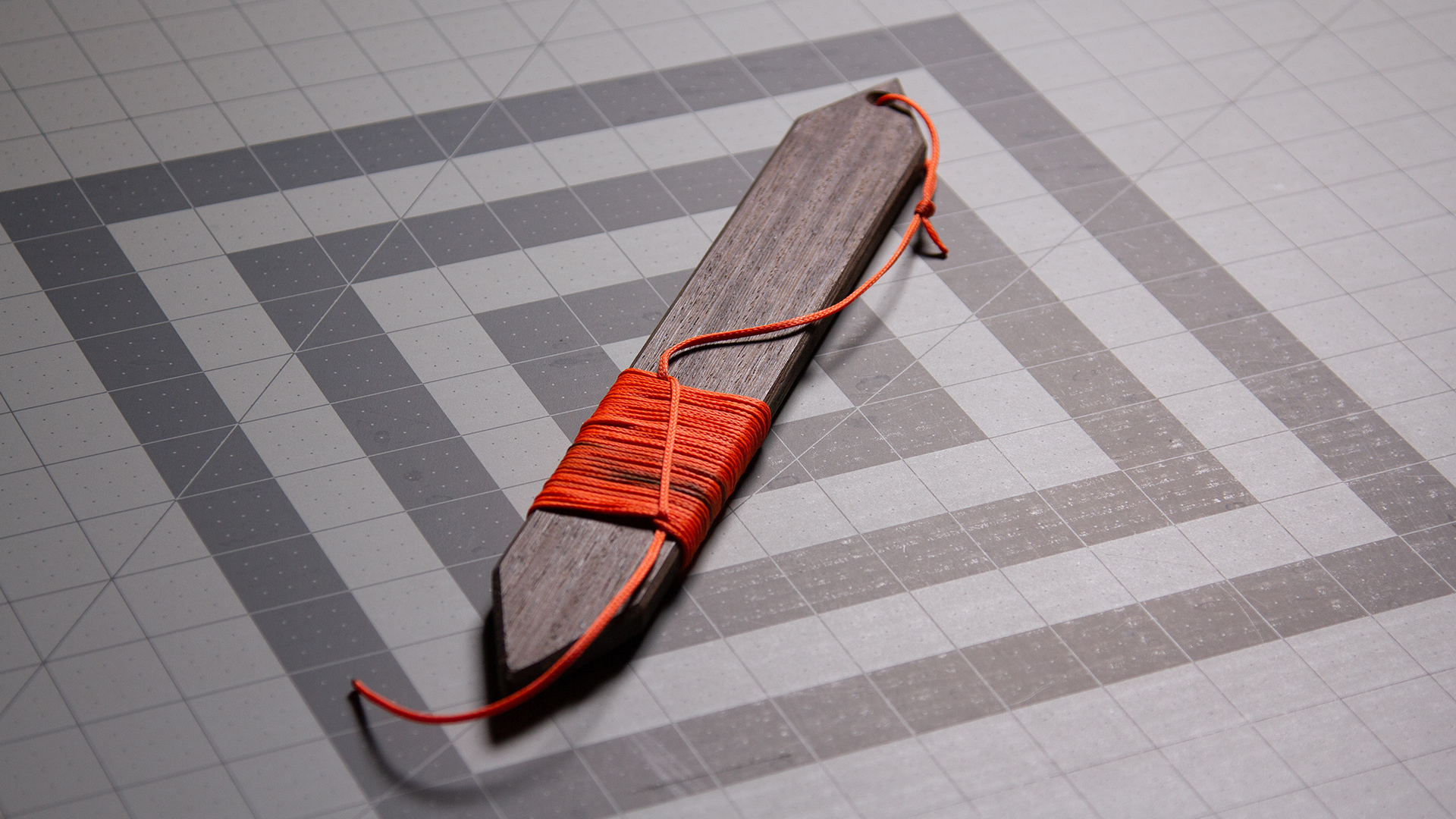

Tailoring represents both a refined craft and a creative discipline devoted to designing, cutting, shaping, and finishing garments, especially suits and coats, and a bespoke piece is produced solely to match an individual client’s precise measurements and requirements. The word tailor stems from the Latin term taliare, meaning to cut, an apt reflection of a meticulous practice honed over many centuries.
The Craft of Tailoring
Tailoring involves a series of complex processes that require precision, expertise, and an eye for detail. It begins with the selection of fabric, which is a crucial element in the overall quality and appearance of the garment. The choice can range from wool, cotton, linen to more luxurious materials like silk and cashmere.
Sizing and Pattern Creation
One of the essential aspects of tailoring is accurate measurement. A skilled tailor takes detailed measurements of various body parts including the neck, chest, waist, arms, and legs. These measurements are then used to create a paper pattern that serves as a blueprint for the garment. This pattern is customized for each client, ensuring a perfect fit.
Crafting and Building
Once the fabric is chosen and measurements taken, the tailor cuts the fabric according to the pattern. This is followed by the construction phase, where the garment begins to take shape. During this phase, various techniques such as basting and interlining are used to give the garment its structure and drape. The tailor uses a combination of hand and machine sewing to craft each piece meticulously.
The Significance of Proper Fitting
A key element of tailoring is the fitting process, which requires trying on the garment at different stages of its creation so the tailor can introduce essential adjustments for an ideal fit; several sessions may be needed before the piece is finished, as subtle changes are made to suit the client’s distinctive body shape and posture.
Tailoring vs. Ready-to-Wear
In today’s fashion landscape, traditional tailoring competes with mass-produced ready-to-wear clothing, which is created in standardized measurements that overlook each person’s unique proportions; while these options are typically cheaper and more convenient, they frequently sacrifice the refined fit and personal touch that tailored pieces deliver, as tailoring provides unmatched customization and meticulous attention to detail, making it the favored option for individuals who value impeccably crafted, perfectly fitted garments.
The Role of Tailoring in Today’s Fashion
Today, tailoring is not just about formal suits and coats. The principles of tailoring have been adapted to various types of modern clothing, including women’s wear, casual wear, and even street fashion. Renowned fashion designers integrate tailoring techniques into their collections, underscoring the timeless nature of this craft. Tailors also play a significant role in sustainable fashion by repairing and altering garments to extend their lifespan, reducing waste, and promoting a more eco-friendly approach to clothing consumption.
Tailoring is a sophisticated art that balances traditional craftsmanship with modern innovation. It not only creates garments that fit impeccably but also instills confidence in the wearer. The perseverance and passion of tailors continue to preserve this age-old craft, ensuring that it remains relevant and valued in contemporary fashion.